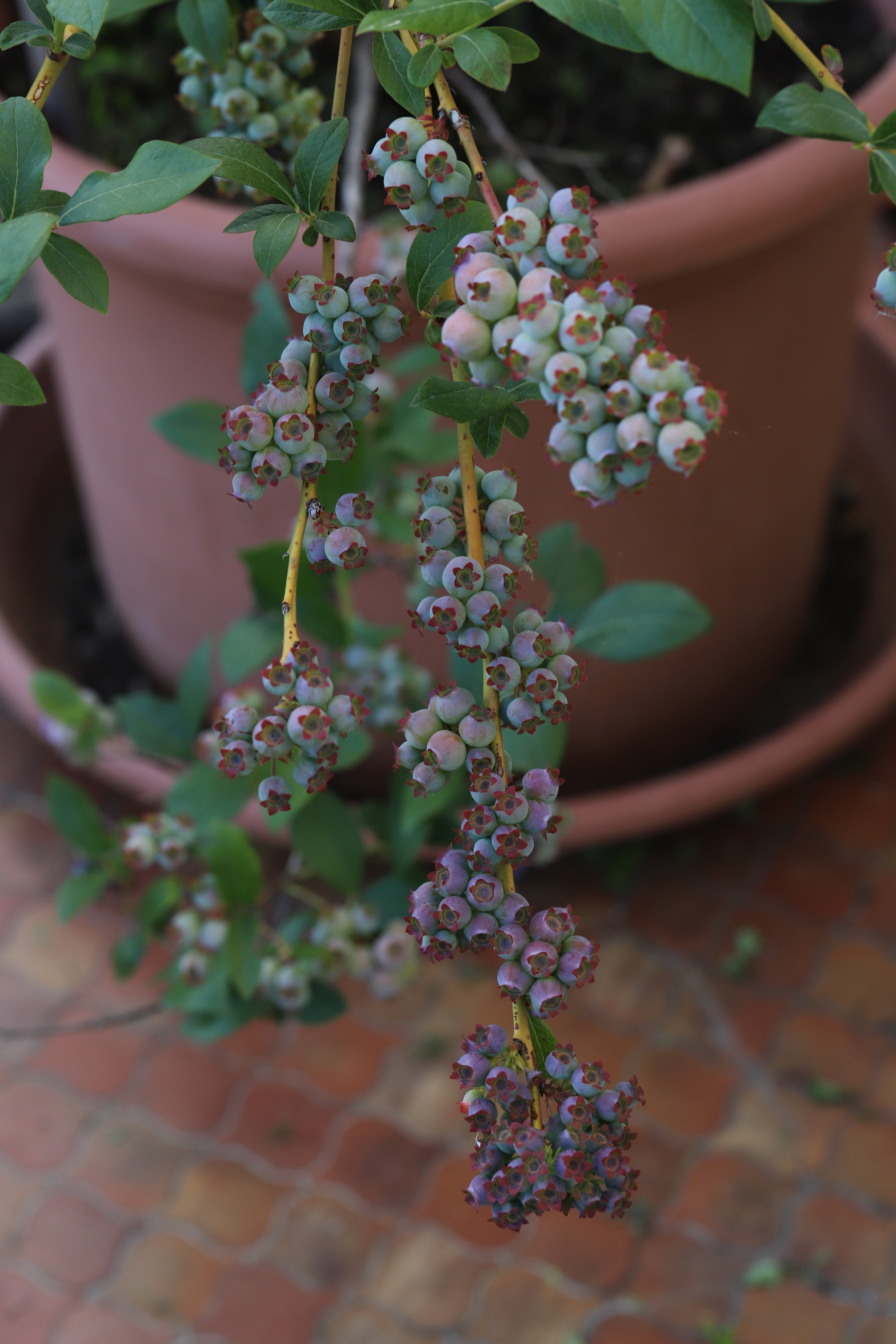
There's about two weeks left before summer officially rolls in. Chez nous, the crop method is the preferred one and not succession planting. There's a push now to get all of the vegetables planted before the longest day arrives. To cheer me up as I sieve compost, wield spades/forks/rakes, and keep recently sowed beds moistened, I recall with great fondness of all the produce already harvested and processed since February such as asparagus, rhubarb, peas, and strawberries waiting to be included in delicious meals for the coming months. Sometimes I take a break just to check out crops getting closer to being picked to ensure I don't miss the best time to harvest, like blueberries. Lovers of acidic soil that blueberries are, they wouldn't flourish in the slightly alkaline earth in our garden. Instead, they do their blue thing in large pots filled with an acidic potting mix. Keeping one of them company is a cobalt blue, hand-blown glass fishing float which most likely made its way from Spain and got put on display at a flea market in France, specifically in Grenoble, where we became happy buyers. One of the highlights of my twilight garden exercise romps started when lockdown first began and which I still do is bending down here and there, sampling a blueberry, a raspberry, and a strawberry.

This berry-festooned branch is just one of many.
Below photo: the green beans are in and covered with horticultural fleece to prevent them from being eaten by birds. The parterre with bushy plants directly in front of the beans is one of our two potato beds. The two unkept ones in the foreground will eventually be planted with strawberry runners and carrots. The silvery, boxy thing in the lower left hand corner is one-half of the coldframe we got at Lidl just before the Covid-19 lockdown. The splash of vivid red in the lower right are volunteer poppies.

The heat-loving, purple osteospermums were potted up last autumn and brought indoors. Two out of three plants survived the confinement and are flourishing in the front garden. This winter they will go into the coldframe, watched over judiciously, and if needed, brought indoors. But this time, I will put the pot on wooden slats placed over circular trays filled with water to provide humidity. Though they get enough light in our living room, the central heating is a stress. Hopefully these two specimens will continue to over-winter through the years.

Calendula were sowed in flats early spring and kept in the cold frame until it was warm enough for them eventually to embrace the big, wide wonderful world. Their hardening off started when the frame was first propped open during daytime for a week followed by the seedlings being outdoors for a few hours over a period of several days leading to spending an entire day before being transplanted into the big pot where they will spend their time until autumn. Having never grown them before, I wonder if maybe I shouldn't have pinched the young plants in the hope they will be less leggy when mature as I might have ended their flowering capability. I won't relax until I see their wonderful orange blooms!

The beets were sowed the other day. It is such a pleasure to work our veggie beds as the soil has been so much improved over the last ten years with the additions of compost, leaf mulch, wood chippings, grass clippings, and green manure. It's fluffy and a lovely shade of brown. Yes!

Turnips and carrots are the last two vegetables needing to be sown. Carrots have a specific set of challenges which when met will yield a most satisfying crop. Like all homegrown veggies, their taste has a depth of flavour that is incomparable. That paper cone holding up the seed packet in the below photo is a DIY tiny seed sowing device. The seeds being quite small means that too many may get planted hence becoming crowded as they grow in size which requires thinning. As they are thinned their distinctive fragrance will attract a certain species of low-flying, white butterflies who then will deposit eggs which become larvae burrowing down into the edible root completely destroying its comestible value by leaving it riddled with brown tunnels. This destruction is carried on out of sight, therefore it is only when the crop gets pulled out of the ground, the cruel realisation hits, that after all that hard work, there are no carrots to eat.

To ensure that a nice steady stream of seeds are sowed, wet ordinary paper, like from a notebook, rolling it into a cone with a narrow opening. Press the outside edge to seal while still wet so it won't unravel. Moistening the paper and letting it dry roughens up its texture, slowing down the flow of seeds. If any thinning is necessary, the late afternoon is the best time as the butterflies are not around too much at that time. Another approach is to cover the thinned seedlings with horticultural fleece for about a week so their scent would have dissipated. In addition to keeping them free of larvae, they like loose soil which is as stone/pebble free as possible. Our bed is spaded and forked well, but it is not obstruction free so the only variety that I have had any success with is Carentan which has a mid-length and stout top half. If its growth gets forked by a stone, there's still enough carrot for the pot. Keep in mind during the several weeks it takes for the seeds to germinate, the soil must be kept evenly moist. A hose nozzle that makes a fine mist is a way to water without bunching up the carefully spaced seeds. Last year's harvest is still feeding us at the moment; I am guessing that it will supply about eighty percent of our annual needs. Hence just a few months of supermarket buying will suffice to get us to this season's harvest.

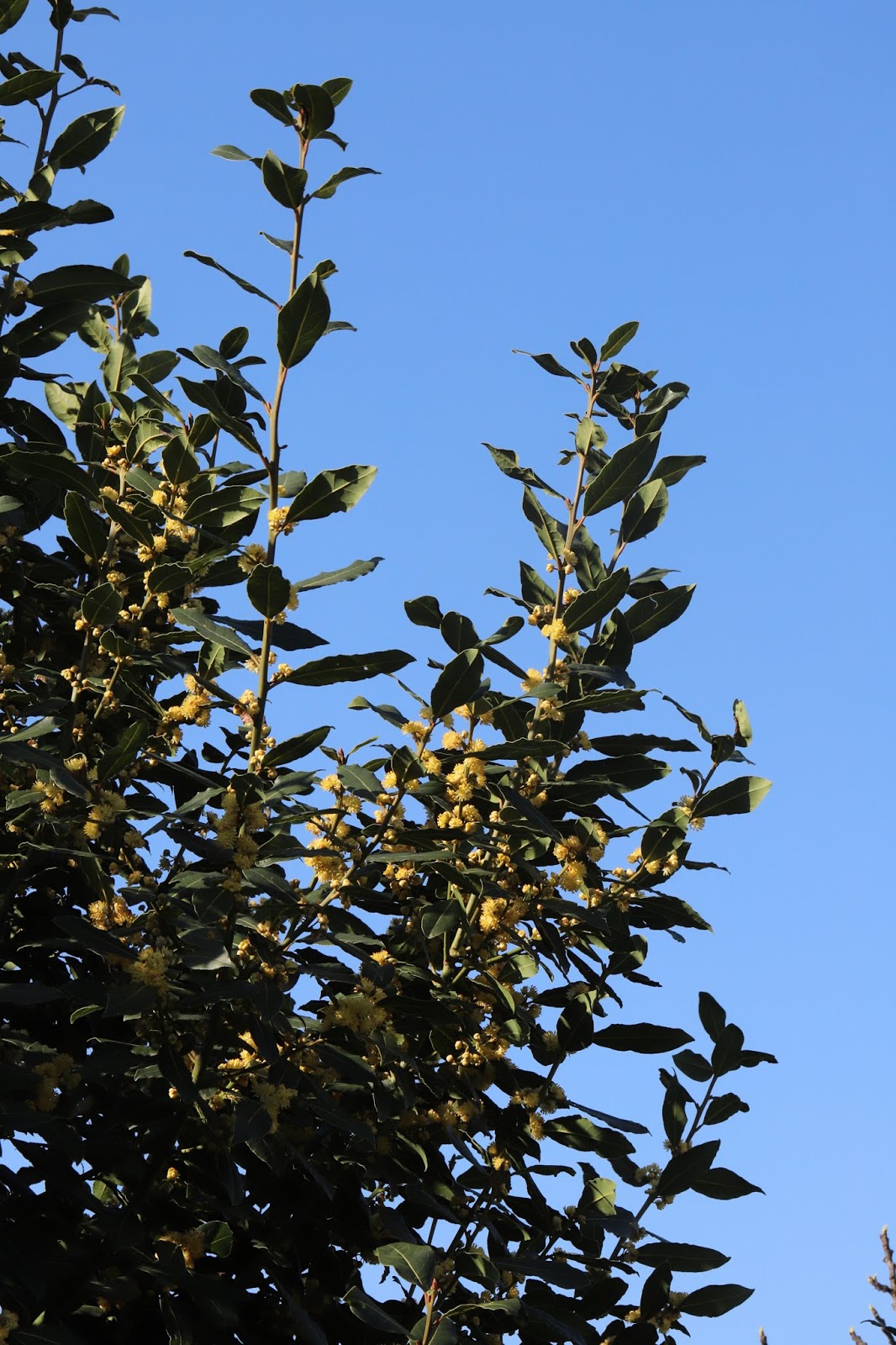
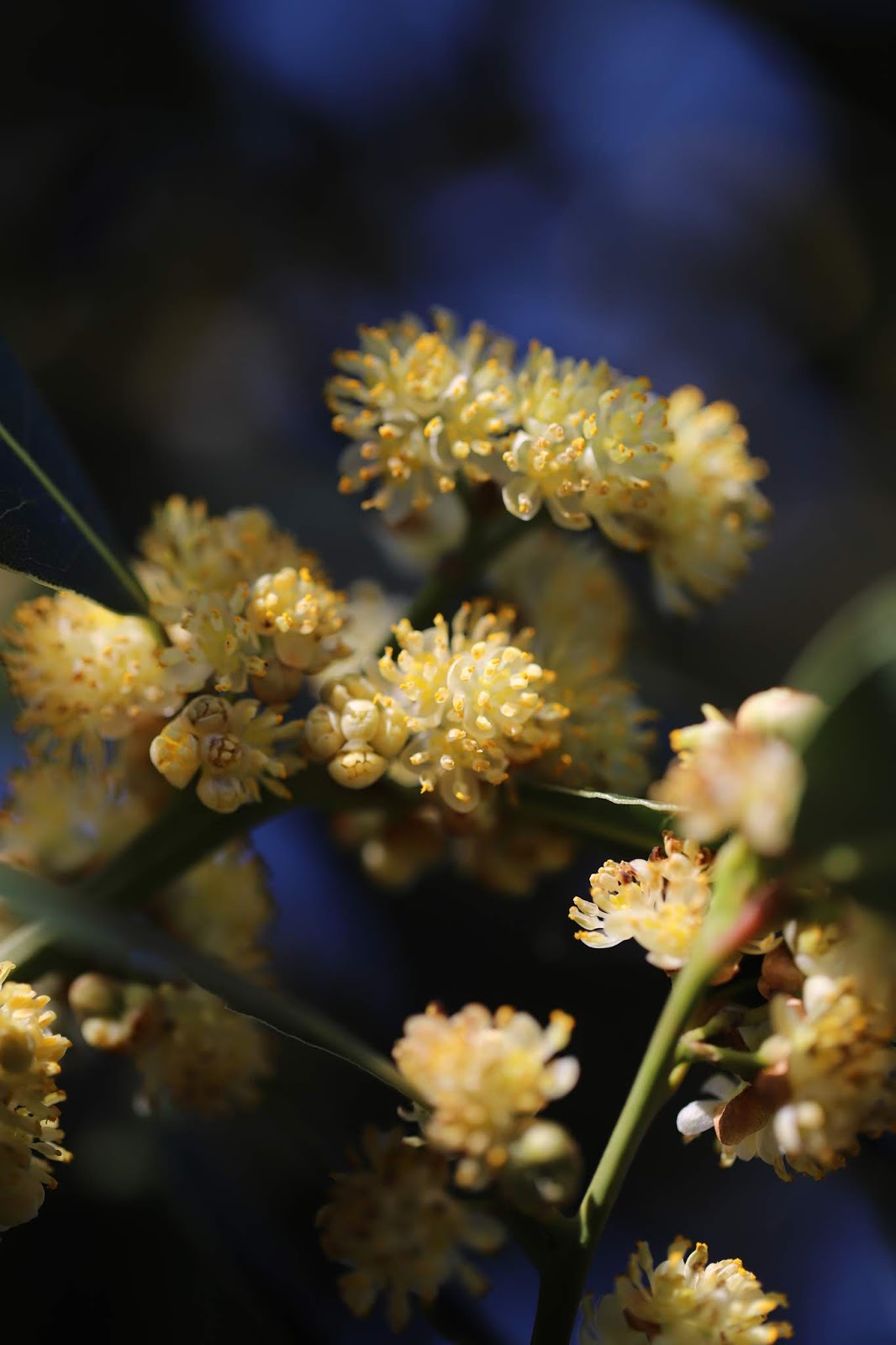
Besides getting all the crops in before the solstice, I also try to get any desired cuttings from existing evergreen stock started. After getting dipped in growth hormone, planted in small pots, and thoroughly watered, they are drapped with clear plastic bags and kept under the pergola. When new growth is detected then they will be placed in the sun. If they do not reach nursery-bed transplantation size before winter, then they will go into the coldframe. All that condensation inside their little plastic homes is a comforting sight because it means until their roots form, they will still receive moisture through their leaves. A ton of laurel and heather cuttings already have been propagated leaving Leyland cypress, ivy, and rosemary to be done. Whew!

À la prochaine!